
My home office has gone through more makeovers than my craft drawers, and I have learned that a pretty space only works when it is easy to use. I like an office that feels creative, colorful, and completely mine, but every tool needs a home. These home office organization ideas are the little changes I use to keep projects moving without losing the personality that makes a room feel special.
I pulled together the systems that actually help: from desk zones to digital folders. A good workspace is not about buying a mountain of containers; it is about creating simple routines that fit your real life.
Create a Clutter-Free Desk Setup
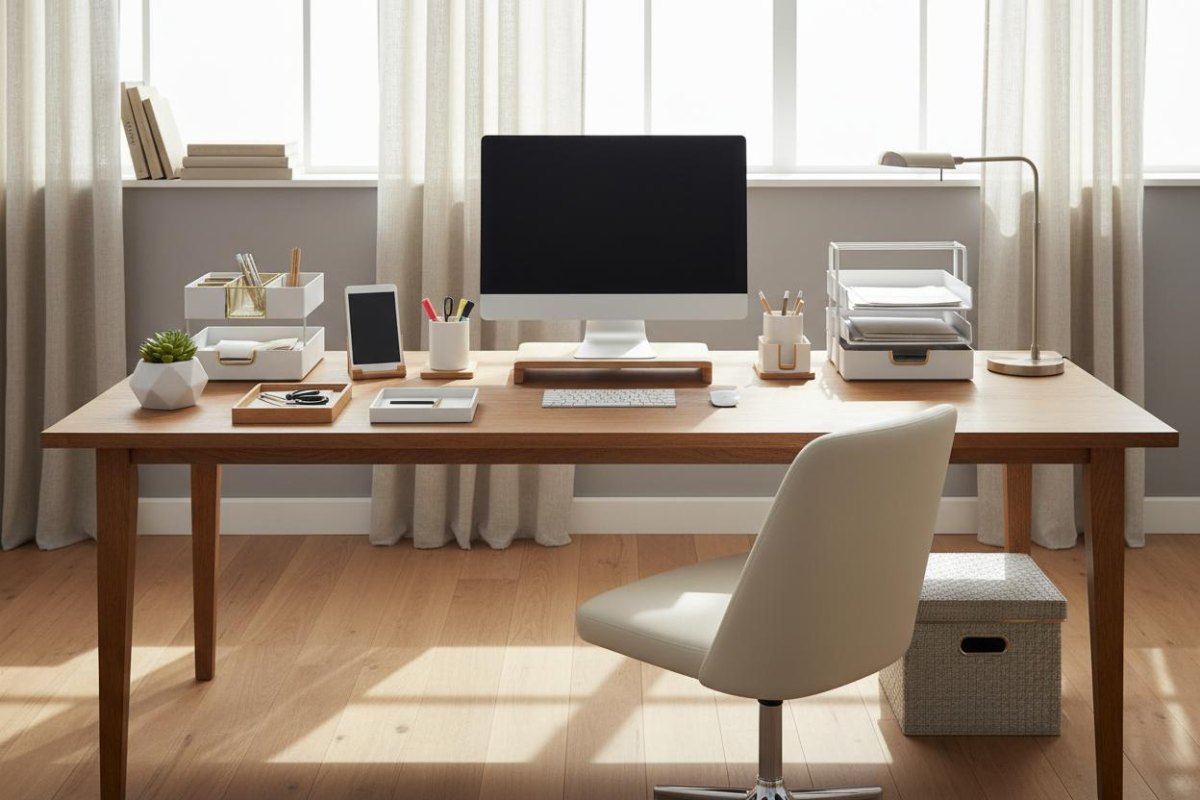
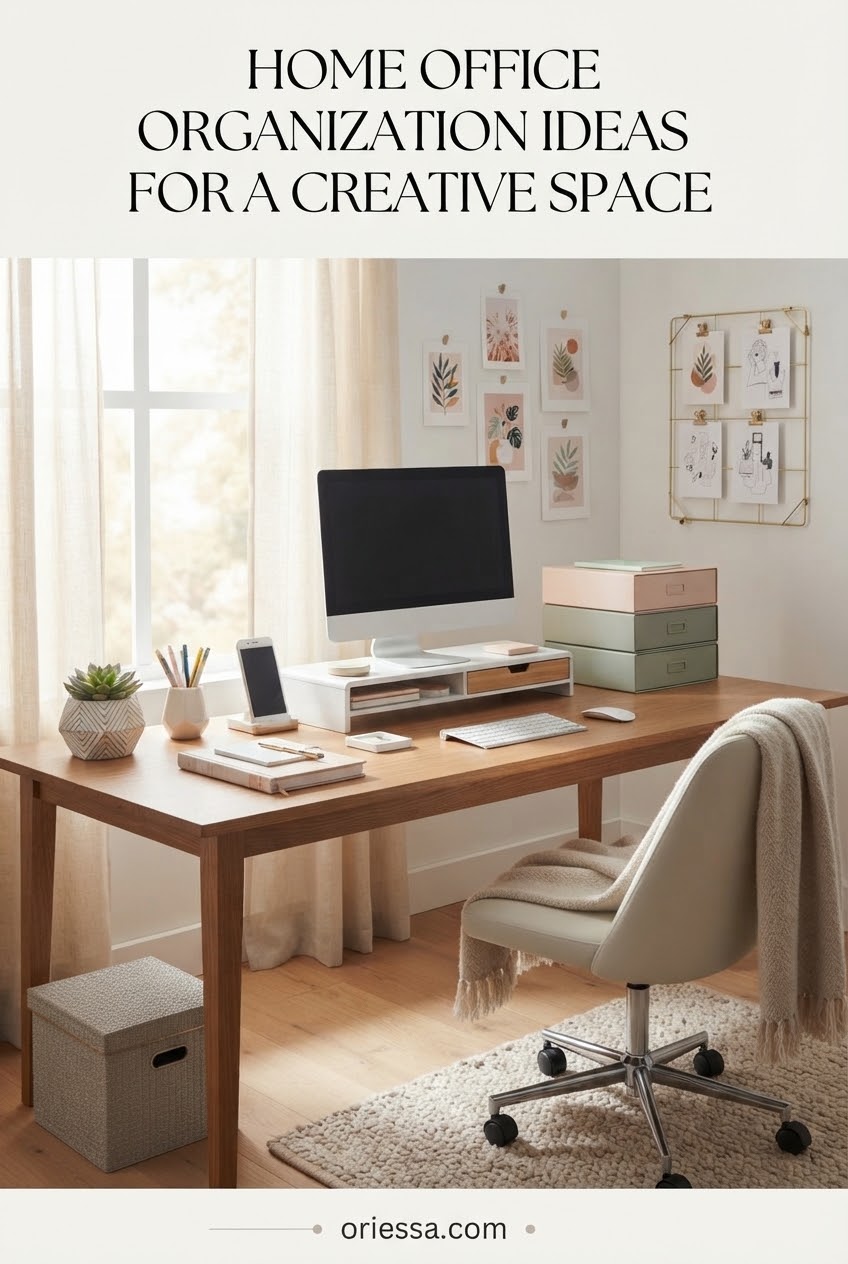
The first thing I organize is the surface where I create. My rule is simple: if I do not use it daily, it does not earn prime desk space. Keeping only my essentials nearby makes my creative workspace feel calmer.
Storage experts often recommend decluttering first, then adding organizers based on what remains. I completely agree because a cute tray cannot fix a pile of things you never use.
Use Smart Storage Solutions
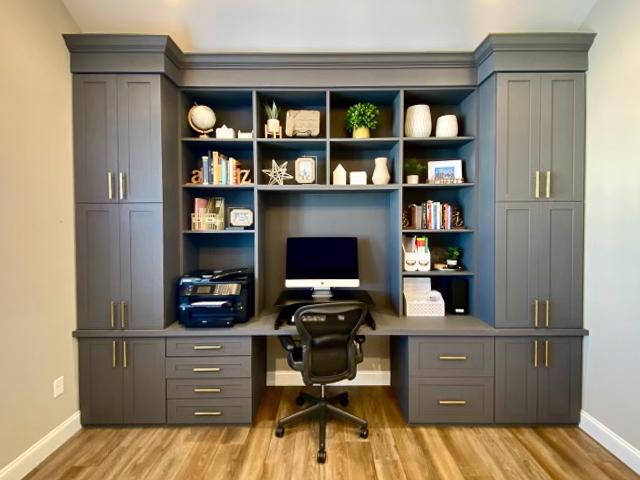
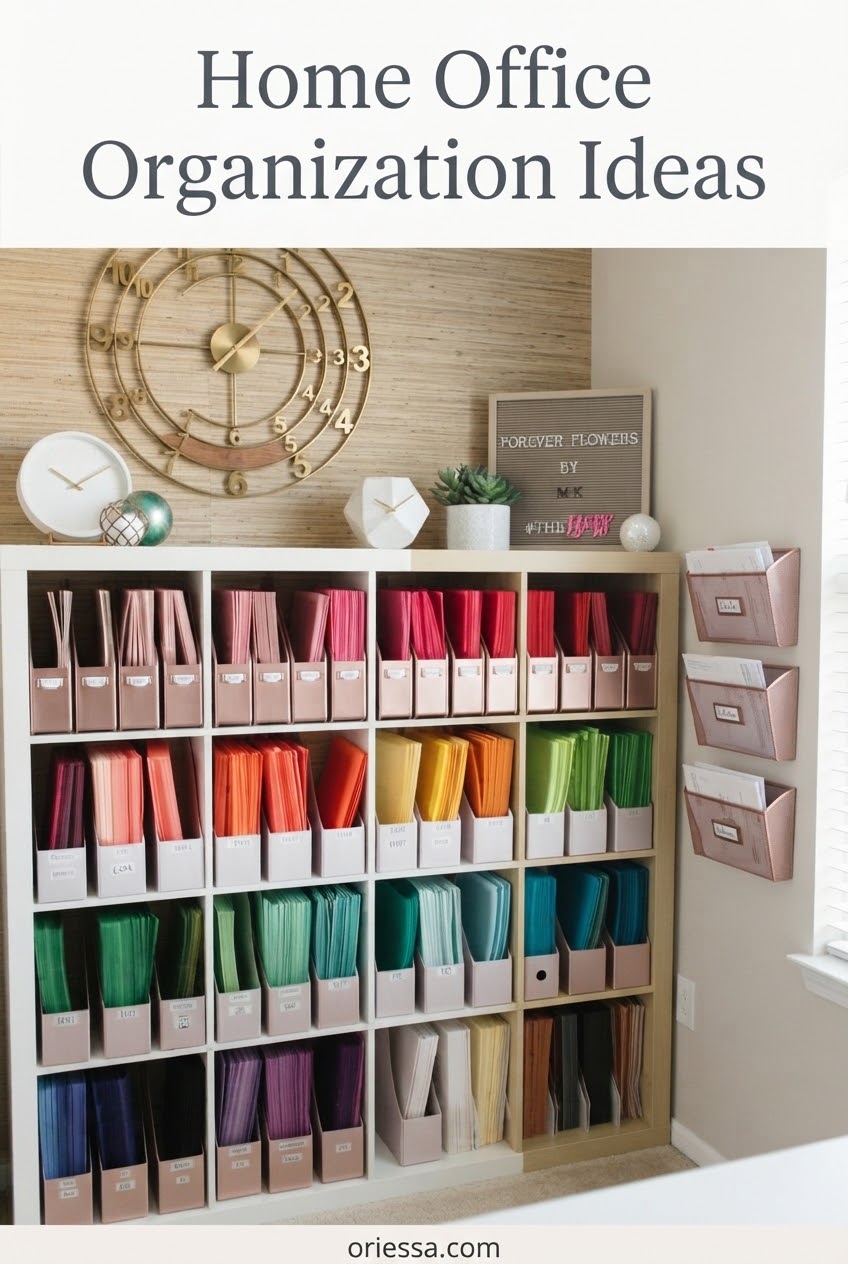
I love storage that works as hard as I do. Open shelves show off my colorful supplies, while baskets and drawers hide the less glamorous bits. The trick is creating purposeful storage zones instead of collecting random containers.
| Storage type | Best use |
|---|---|
| Shelves | Books, decor, and frequently used supplies |
| Drawers | Small tools and items that create visual clutter |
Combining open and closed storage is a common recommendation because it balances accessibility with a cleaner look.
Organize Cables and Electronics
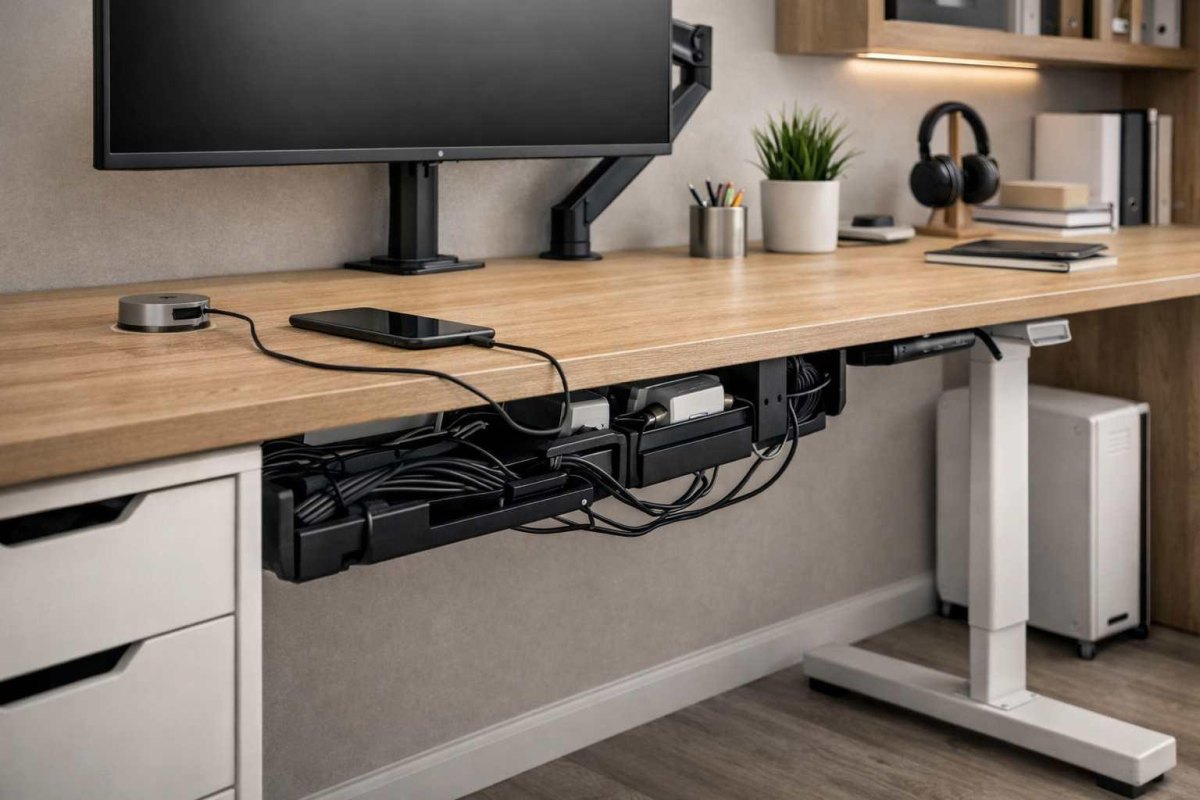
I have learned that messy cords can make even the cutest desk feel unfinished. I start with a cable audit, remove what I no longer need, then create a home for every charger and device. Cable management is one of those tiny upgrades with a huge visual payoff.
Current cable organization advice also focuses on reducing unnecessary cords and using clips, trays, and sleeves to keep active cables controlled.
Design an Efficient Filing System
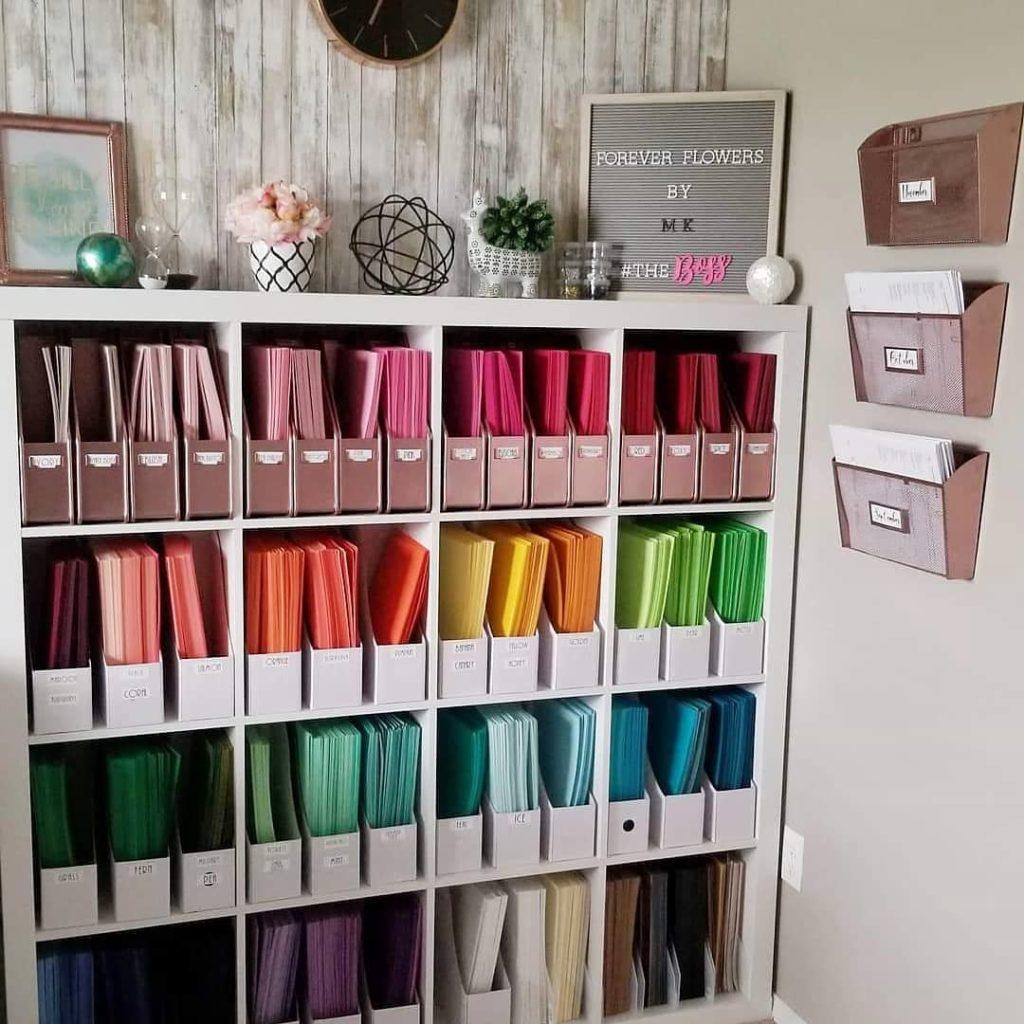
Paper is sneaky. It starts as one receipt and somehow becomes a mountain. I keep my filing system simple with categories I actually use, because a complicated system is one I will abandon. Easy paper organization always wins.
Organizing guides commonly suggest separating active files from archived documents so frequently used paperwork stays accessible.
Add Vertical Wall Organization
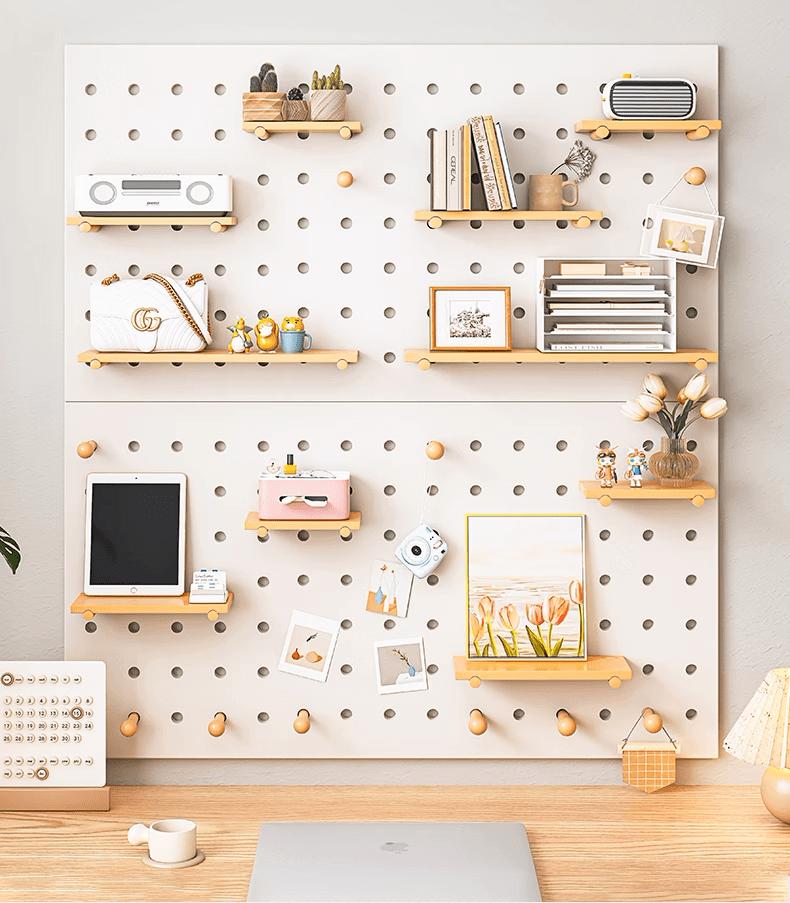
When my desk gets crowded, I look upward. Walls are often the forgotten storage area in a home office. Shelves, pegboards, and hanging organizers turn empty space into vertical organization without shrinking your workspace.
Why I love wall storage
- Keeps tools visible
- Frees up desk space
Things to consider
- Heavy items need secure mounting
- Too many displays can feel busy
Vertical storage is especially useful in smaller offices because it adds capacity without taking away walking space.
Arrange a Productive Workspace Layout
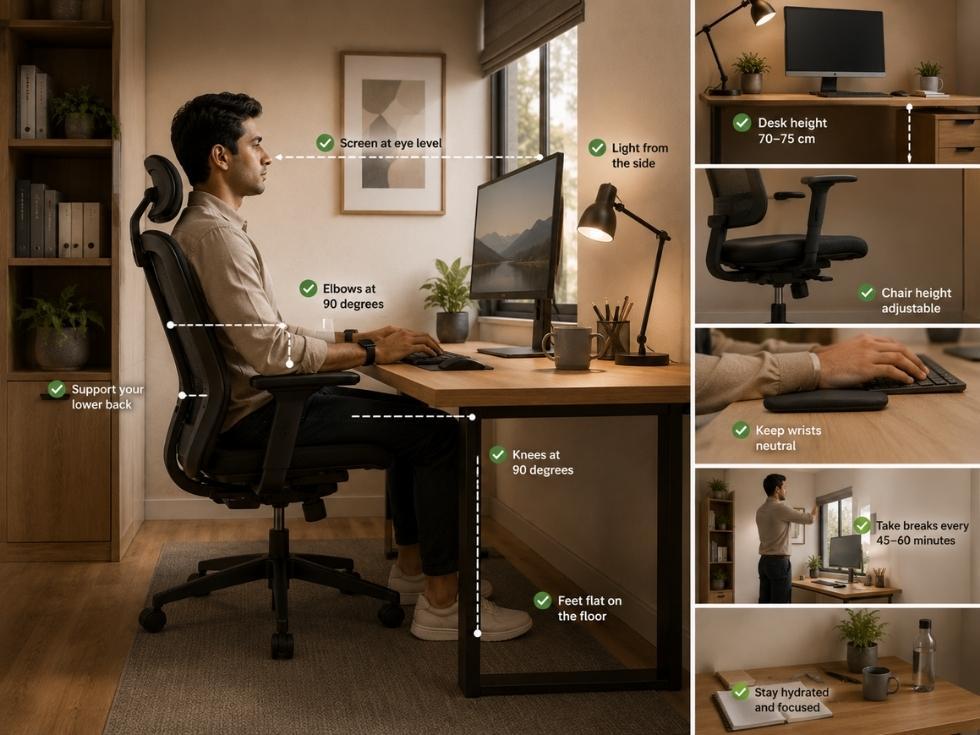
I arrange my office by movement: what I grab most goes closest, and what I rarely use moves farther away. It sounds obvious, but a good workspace layout saves so many little moments.
My favorite setup tip
I place my chair, monitor, and main tools first, then organize everything around those fixed points.
Ergonomic setup guides often recommend considering desk placement, monitor position, lighting, and reach zones before adding accessories.
Create a Dedicated Stationery Area
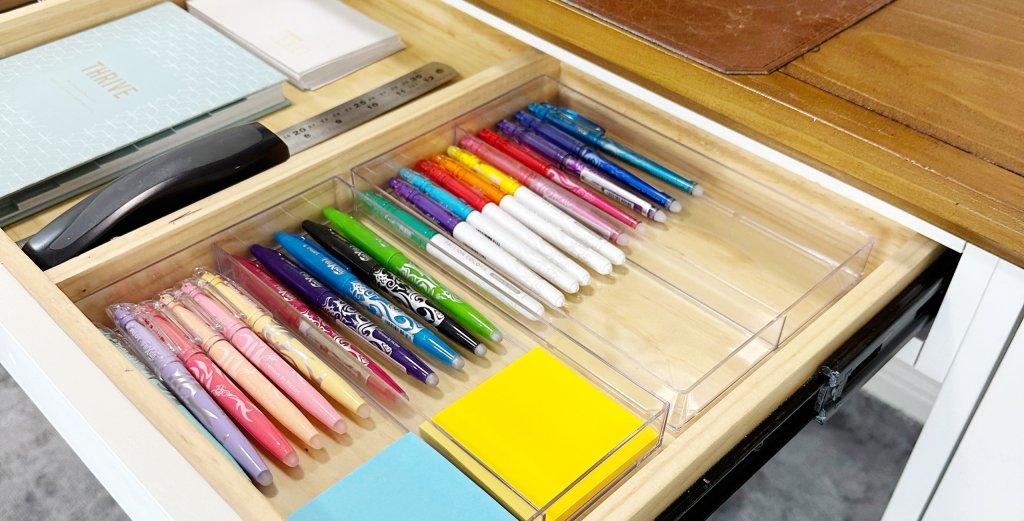
My stationery collection has a personality of its own, especially when I am working on tags, patterns, or DIY projects. Instead of letting pens and papers wander everywhere, I created a stationery station that makes starting a project feel exciting.
My stationery setup
- Daily pens in a desktop cup
- Paper supplies sorted by size
- Special materials stored separately
The goal is not having fewer supplies; it is knowing exactly where your favorites live.
Keep Digital Files Organized
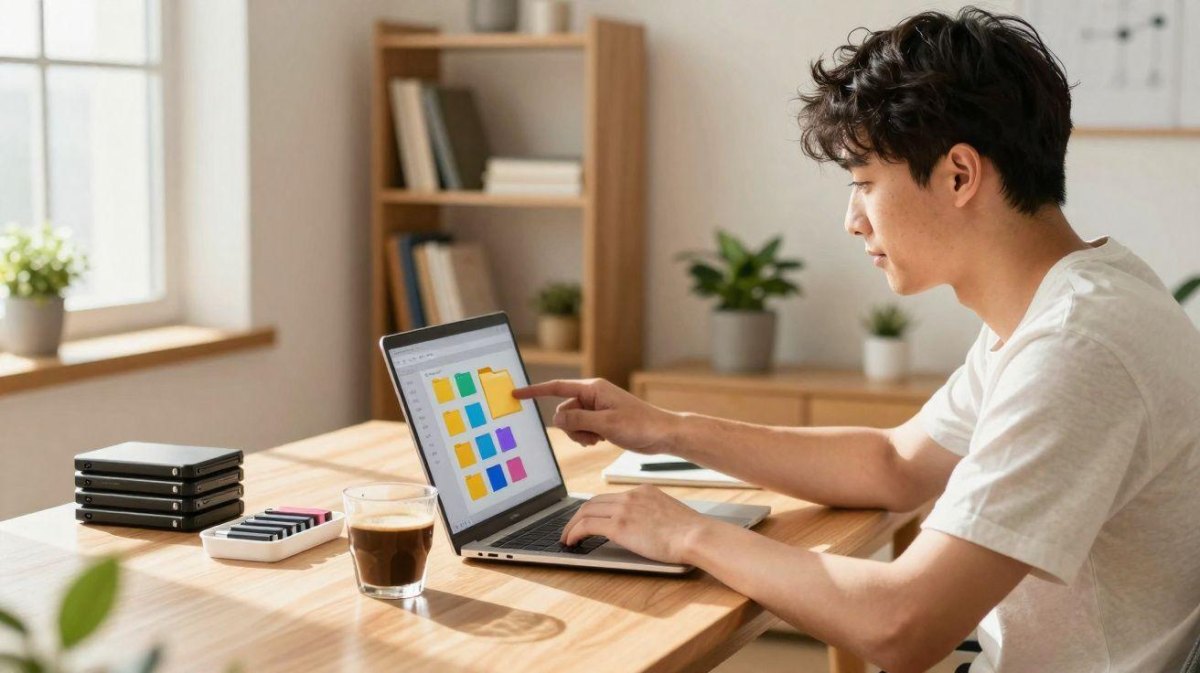
My physical desk can be spotless, but digital clutter can still slow me down. I organize folders the same way I organize craft supplies: clear labels, simple categories, and no mystery piles. Digital file organization keeps creative work moving.
Cloud backups and consistent naming systems are often recommended alongside physical filing habits to keep important information accessible.
Personalize Your Office Without Adding Clutter
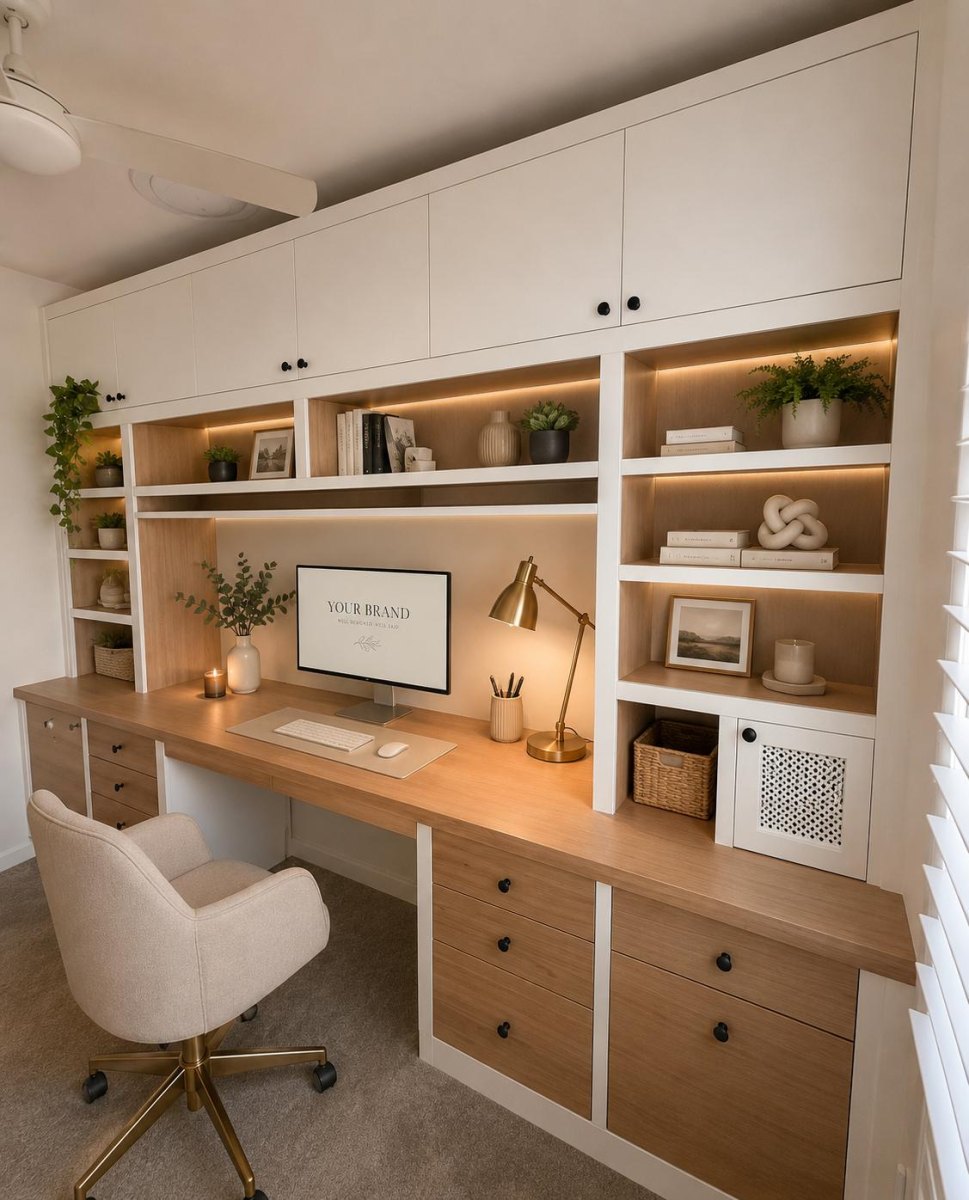
I will never be the person who removes every colorful object from a room. My office needs texture, handmade pieces, and little reminders of projects I love. The secret is choosing meaningful decor instead of random extras.
A small reminder
Your workspace should support your creativity. Keep the things that inspire you, but give them a home.
A functional office does not have to look boring. A few intentional pieces can make your space feel personal while keeping your workflow smooth.
More Pinterest Visuals